

Baking UX Magic with Grandma’s Secret Heuristic Recipes
Also on Substack (in Portuguese)
Topics
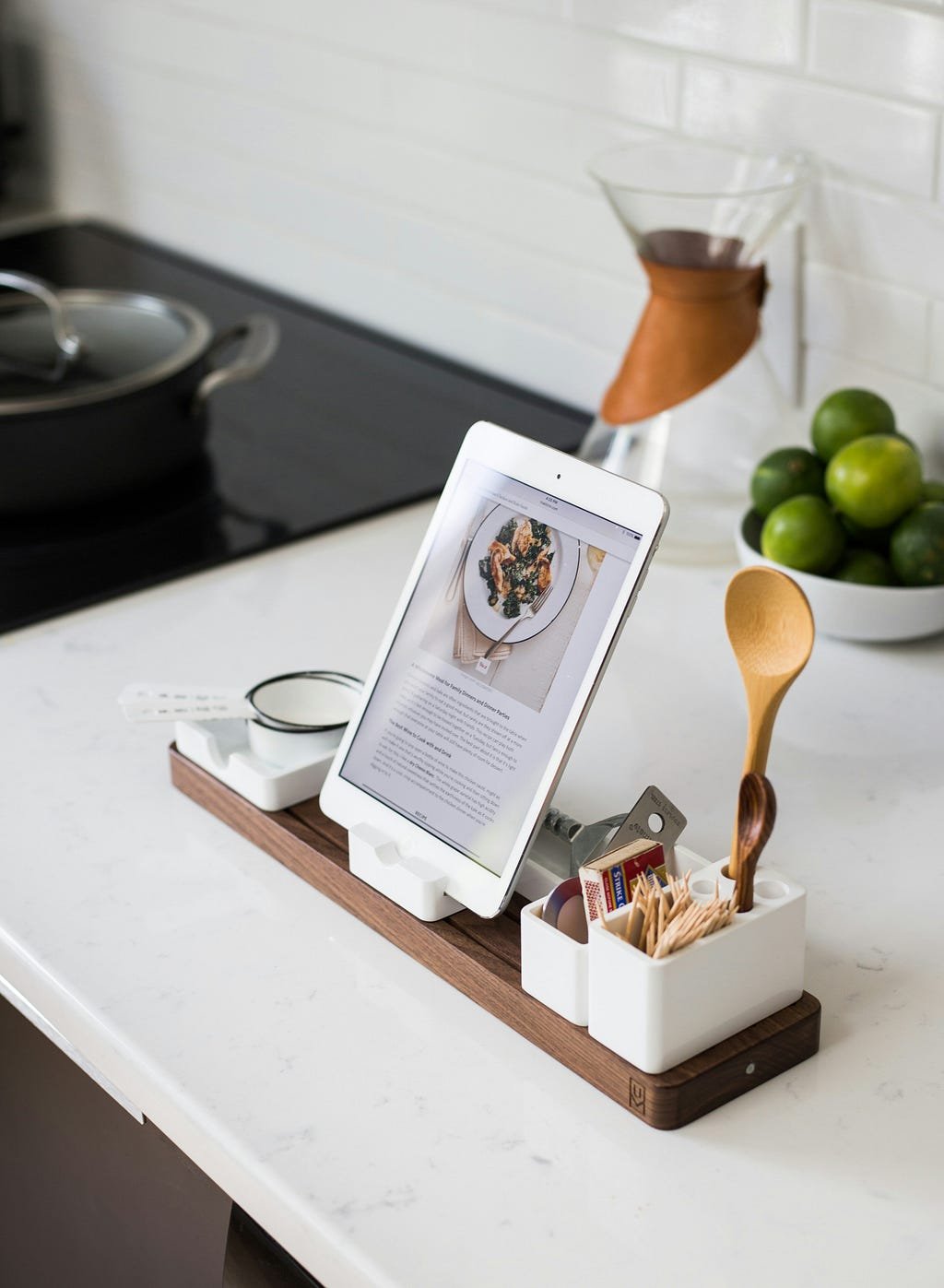
In the digital age, creating exceptional user experiences is like baking that mouth-watering cake everyone wants the recipe for.
Imagine learning about usability with the same simplicity and care with which grandmothers wrote their secret recipes. Just like in the kitchen, where every ingredient and step has its purpose, in UX design, each heuristic principle is essential to ensure the final product is not only functional but also unforgettable.
Usability principles, like Nielsen’s famous heuristics, are the “secret ingredients” that ensure every interaction is as smooth as a well-beaten batter. So, why not make this learning a bit more flavorful?
After completing the Essential UX Design & Research course with the master Daniel Furtado from UXNow, I felt inspired to write about usability, drawing on Daniel’s teaching style, especially trying to create wonderful examples as he does. Then I thought: why not associate Nielsen’s heuristics with something as familiar and comforting as Grandma’s recipes?
With that said, I decided to roll up my sleeves (pun intended) and make this UX cake following Grandma’s recipes. As I mix the ingredients in my mind, I realize that each step has everything to do with the usability principles I learned. So put on your apron and join me in the kitchen!
1. Preheating the Oven: Visibility of System Status
Before anything else, you need to preheat the oven. Knowing it’s at the right temperature is vital — no one wants an undercooked cake! In the UX world, this translates to keeping users informed about what’s happening in the system. Transparency is everything, just like the oven light indicating it’s ready to bake.
2. Selecting the Ingredients: Match Between System and Real World
Flour, sugar, eggs… the classics Grandma always used. In design, we use language and concepts familiar to users. No inventing with strange ingredients, like turmeric in a chocolate cake! (I’ve heard there’s even biomass brigadeiro on the deep web 🤢)
3. Measuring Accurately: Error Prevention
A spoonful too much of baking powder can turn the cake into a volcano. In design, preventing errors is crucial. Just like carefully measuring ingredients, it’s important to foresee and avoid problems users might face.
4. Mixing Everything: Consistency and Standards
Following Grandma’s recipe to the letter ensures a perfect cake. In design, maintaining consistent standards is essential for a harmonious user experience. Grandma knew what she was doing!
5. Consulting the Recipe: Recognition Rather Than Recall
Having the recipe on hand is always useful, especially when you can’t remember the order of ingredients. In design, allowing users to see their options without needing to memorize everything is like having the recipe taped to the fridge door.
6. Adjusting the Mixer: Flexibility and Efficiency of Use
Grandma was from the era of hand-beaten cakes, the kind you always wanted to lick the spoon and bowl. However, we’re talking about a more technological scenario, where the mixer’s turbo mode helps cut a nice path. In design, offering shortcuts for advanced users makes the process quicker and more practical, making even Cake in a Jar famous.
7. Decorating Carefully: Aesthetic and Minimalist Design
The icing should be just right — no one wants a cake drowned in frosting. A clean and minimalist design is as satisfying as a cake that tastes like plastic and has no filling. Or even a classic coconut cake, which doesn’t need to be filled with peach or pineapple (sorry to those who like it).
8. Adjusting the Flavors: User Control and Freedom
This relates to the previous item, why not leave the peach and pineapple out, so it can please everyone? In design, offering the option to undo or modify is like being able to correct the flavor with a touch of creativity — or a bit more sugar.
9. Asking Grandma for Help: Help Users Recognize, Diagnose, and Recover from Errors
If the cake starts to smoke, it’s time to call Grandma! Clear error messages in design are like Grandma’s tips to save a cake that’s about to burn or flop. They are essential for quickly correcting the course.
10. Consulting the Cookbook: Help and Documentation
Last but perhaps most important, because it’s what remains for posterity: the family cookbook. It’s always useful for new culinary adventures. Similarly, accessible documentation is vital for effective user support. After all, no one wants to be caught off guard, especially when hunger strikes.
Ultimately, by applying this analogy, we realize that simplicity, clarity, and consistency are as essential in UX design as they are in preparing a delicious cake.
Continuous learning and the ability to adapt and improve are fundamental in both areas. Just as we seek new recipes and cooking techniques, we must always stay updated with the best design practices. The combination of tradition and innovation allows us to create experiences that are not only functional but also memorable and delightful.
I thank Daniel Furtado for inspiring this fusion of concepts and for showing that the art of creating incredible experiences can be as enjoyable as savoring a piece of homemade corn cake. May we continue to explore, experiment, and evolve, creating designs that are true masterpieces of usability.
#UXDesign #HeuristicAnalysis #RecipeForSuccess #UXNow #DanielFurtado